
THE PROBLEM
The Safety Blind Spot in Schools
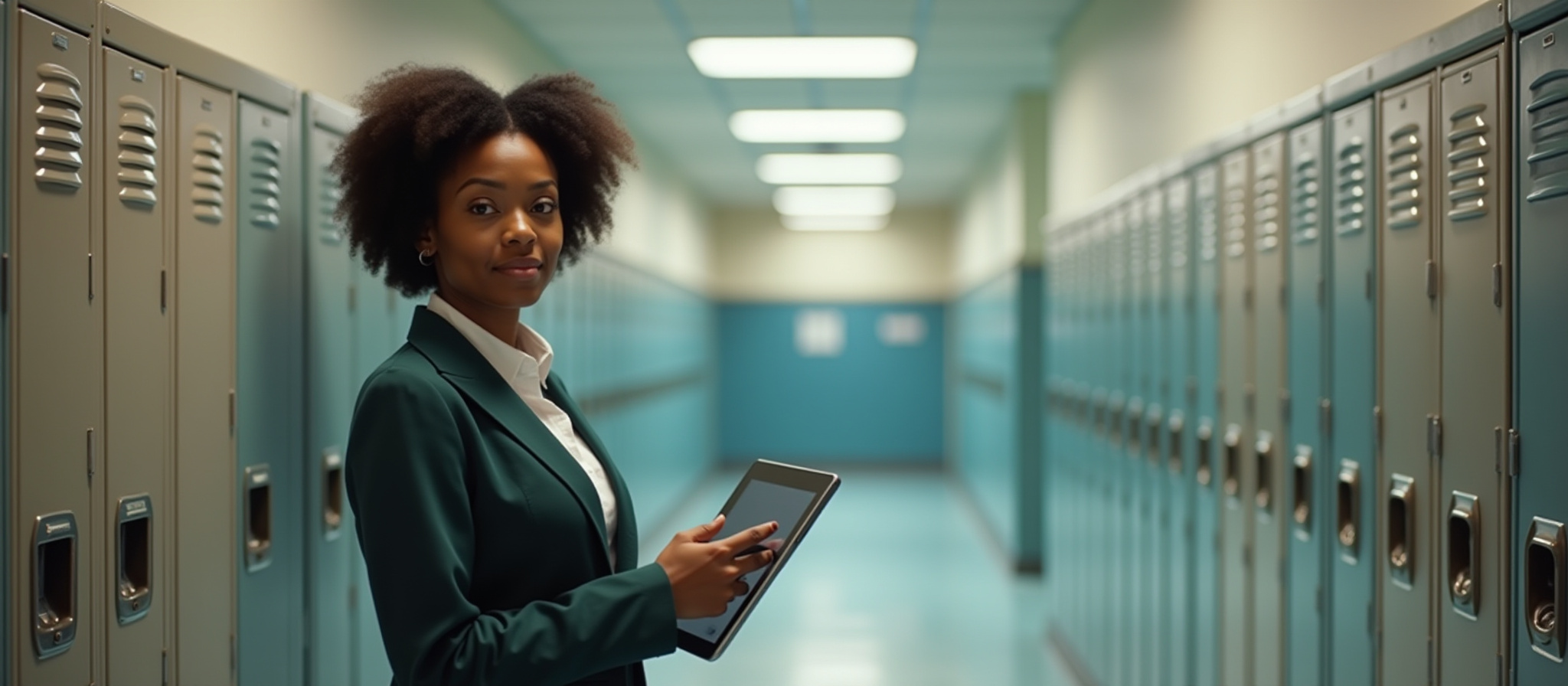
Bullying and physical harm remain widespread in schools worldwide. Nearly one-third of adolescents experience bullying, yet many of the most serious incidents occur in places where surveillance is prohibited—such as bathrooms, locker rooms, and counseling spaces.
Traditional safety systems rely on cameras or recorded audio, which creates legal, ethical, and privacy barriers. As a result, schools are often unable to detect emergencies or respond in time in the very spaces where students are most vulnerable.
Critical safety gaps remain—not because technology is unavailable, but because surveillance is not acceptable.

Introducing ECHO
ECHO is a non-invasive safety system that detects abnormal and potentially dangerous sound patterns—such as physical impact, sustained distress, or cries for help—without recording or storing any audio. Instead of capturing conversations or video, ECHO analyzes the physical characteristics of sound in real time using on-device artificial intelligence. Once a decision is made, all acoustic data is immediately discarded. This design allows ECHO to operate in sensitive spaces where traditional surveillance cannot.
How ECHO Works

No audio files are ever written to disk. Power loss means zero data remains.
Why Existing Safety Systems Fall Short
Features | CCTV & Recording Systems | ECHO |
|---|---|---|
Complements existing cameras | -- | ✓ |
Privacy-compliant by design | ✕ | ✓ |
Real-time alerts
| LIMITED | ✓ |
Records personal data | ✓ | ✕ |
Usable in bathrooms | ✕ | ✓ |
ECHO does not replace cameras. It extends safety into places cameras can never reach.

Validation & Progress
-
Functional prototype running on edge hardware
-
Full on-device inference pipeline implemented
-
No audio storage verified through system testing
-
Multi-stage validation reduced false triggers
-
Stable continuous operation demonstrated
COMMITTED TO SAFETY
ECHO is a cutting-edge safety system designed for sensitive areas. Leveraging on-device AI, it detects emergencies without recording audio, prioritizing both safety and privacy.